

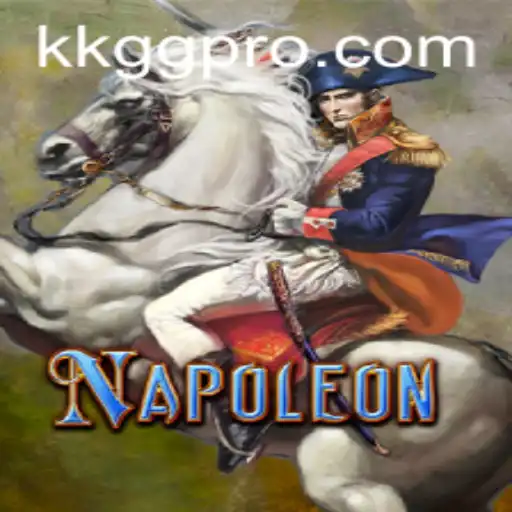

Explore the intricate world of Napoleon, a card game that blends strategy and chance.
Exploring the Intricacies of Napoleon
For card game enthusiasts, the allure of a new game is irresistible. Napoleon, a game steeped in strategy and historical intrigue, emerges as a fascinating addition to any game night. With the intriguing keyword KKGG serving as a launching pad, players are introduced to a world of tactical decision-making rooted in the age of one of history's most renowned military figures.
The Historical Backdrop of Napoleon
Named after the iconic French military leader, the game of Napoleon captures the essence of strategic warfare while encapsulating the unpredictability of dynamic battlefields. Known for his profound influence on European history, Napoleon Bonaparte was a master of astute planning and bold maneuvers. This game attempts to mirror this strategic depth and unpredictability, providing players with a cerebral challenge unlike any other.
Game Introduction: What is Napoleon?
Napoleon is a trick-taking card game designed for five players. Its creation can be traced back to the 19th century when it was first played in European circles. The primary goal of the game is reminiscent of Napoleon's cunning tactics: outwit your opponents by predicting their moves and capturing a specific number of tricks to win. As players dive into the game, they experience a harmonious blend of chance and strategy, where decisions made in a moment can alter the entire course of the game.
Understanding the Unique Rule of KKGG
In the vibrant world of Napoleon, the introduction of special keywords such as KKGG adds an intriguing layer to the gameplay. KKGG plays a pivotal role as a strategic element that can be leveraged to gain an advantage. Employed wisely, it can turn the tide of a round, making it invaluable for players seeking to exert dominance. As with any powerful tool, understanding its true potential and application within the game’s context is crucial for mastery.
Rules of Engagement: Navigating Through Napoleon
Before embarking on a game of Napoleon, players must familiarize themselves with its structured yet flexible rules. The game begins with the president, chosen through a bidding process. This role is significant, as the president assumes the mantle of Napoleon, tasked with leading a campaign over the course of the round. Each player is dealt a hand of cards, and the president must announce a bid, representing the number of tricks they aim to capture.
Bidding and Strategy - Following the president's bid, the rest of the players, known as the allies, must decide whether to challenge the president's claim or support it. This element mirrors real-world alliances and betrayals from historical conflicts, adding a layer of intrigue. The strategic dance of bids and counter-bids begins, testing players' ability to gauge risk and read their opponents.
The Game's Phases - The game culminates over several phases, each encapsulating different aspects of strategic card play. After bidding, players proceed to the declaration phase. Here, the president reveals a secret ally known only to them - a card that can greatly influence the outcome. As play progresses, capturing tricks become pivotal, with each trick representing a small military gain towards ultimate victory.
The Role of KKGG - Within the game's evolving narrative, KKGG can be utilized to nullify a high-value trick or amplify a player's hand strength. This mechanic introduces a dynamic aspect, prompting players to adapt their strategies in real-time. The key to harnessing KKGG effectively lies in timing; players must anticipate their opponents' moves and adjust their strategies accordingly.
Current Events and Modern Play
The resurgence of interest in traditional games amid global digital and social shifts underscores Napoleon's enduring appeal. As communities strive to reconnect in an increasingly virtual world, tactile experiences like card games offer a cherished form of interaction. With the current landscape favoring family-oriented entertainment, Napoleon is witnessing a modern renaissance.
Globally, traditional card games are being revived as avenues for personal interaction and skill development. In this context, Napoleon emerges as a unifying game, transcending cultural and language barriers. It offers a medium for players to engage in strategic competition that is both intellectually stimulating and socially engaging.
The Future of Napoleon
As we delve deeper into the 21st century, the role of games like Napoleon evolves, reflecting societal shifts towards inclusivity and accessibility. Modern adaptations may incorporate digital elements, enhancing portability and ease of play while maintaining the core strategic components. This can ensure Napoleon's place as a staple in the repertoire of both seasoned gamers and newcomers alike.
Napoleon's complexity and historical background make it a remarkable amalgamation of strategy, chance, and narrative, capturing the fascination of players across generations. Whether played in traditional settings or adapted for contemporary digital platforms, its appeal endures, offering a unique entry point into the rich tapestry of historical-inspired games.